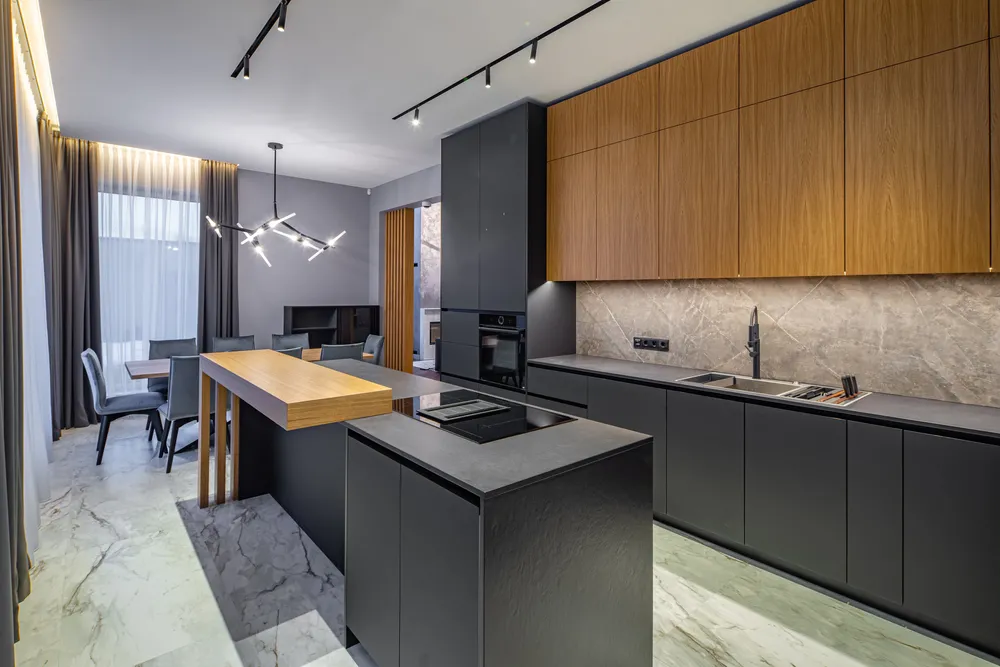
A comfortable home is not necessarily the one with the most furniture.
In fact, adding too many pieces to a room can make it feel smaller, crowded and difficult to move around. Good furniture arrangement is about finding the right balance between comfort, functionality and visual space.
Whether you are furnishing a new home, rearranging your living room or simply trying to make better use of the space you already have, the way you position your furniture can make a surprising difference.
Here are some practical dos and don’ts of furniture arrangement to help you create a home that feels inviting and easy to live in.
The Dos: What You Should Do When Arranging Furniture
1. Consider the Architecture of Your Home
Before moving a sofa or dining table into position, look at the room itself.
Pay attention to the location of:
- Windows
- Doors
- Staircases
- Columns
- Built-in cabinets
- Electrical points
- Natural light sources
The architecture of a room should guide your furniture arrangement rather than being treated as an obstacle.
For example, avoid placing tall furniture where it blocks an important window or positioning large pieces where they interfere with doors and natural walkways.
Start by understanding the room, then decide how the furniture should work within it.
2. Leave Clear Paths for Movement
A beautiful room is still uncomfortable if you have to squeeze between furniture to get from one place to another.
When planning your layout, think about how your family actually moves through the room.
Leave clear pathways between important areas such as the entrance, living area, dining space and kitchen. Make sure doors, drawers and cabinets can also open without being obstructed.
A good layout should feel natural.
You should be able to move around your home without constantly navigating around furniture.
3. Create a Clean and Comfortable Environment
Furniture arrangement is not just about where individual pieces are placed. It is also about how the entire room feels.
Avoid overcrowding the space with unnecessary furniture and decorative items.
Ask yourself whether each piece has a purpose. If a particular chair, cabinet or table is rarely used and makes the room harder to move around, consider whether it really needs to be there.
A cleaner environment can make a room feel more spacious while also making everyday cleaning and maintenance easier.
4. Balance Furniture With the Size of the Room
The size of your furniture should be appropriate for the room.
A large sofa may look impressive in a showroom but feel overwhelming in a smaller living room. Similarly, placing very small furniture pieces in a large room can make the space feel empty and disconnected.
Consider the scale and proportion of the furniture in relation to the room.
You do not need to fill every empty corner.
Sometimes leaving some breathing space around your furniture is what makes the room feel more comfortable.
5. Create a Focal Point
Every room can benefit from having something that naturally draws attention.
This could be:
- A television
- A feature wall
- A large window
- A piece of artwork
- A statement furniture piece
- A view outside the home
Once you identify the focal point, arrange the furniture so that it supports the way the room is meant to be used.
For a living room, for example, seating can be arranged to encourage conversation while still allowing people to enjoy the main focal point.
The Don’ts: Common Furniture Arrangement Mistakes
1. Don’t Make Every Room Too Themed
It can be tempting to follow a particular interior trend and make every part of your home look exactly the same.
However, a home does not need to look like a showroom.
Too much of one theme, colour or decorative style can make a space feel artificial or visually overwhelming.
Instead, choose an overall design direction and allow each room to have its own personality while maintaining some consistency throughout the home.
The goal is to create a home that reflects how you actually live, not simply how a particular trend looks in a photograph.
2. Don’t Let a Small Space Dictate Everything
A smaller room does not necessarily mean you have to give up comfort or style.
Instead of trying to squeeze large furniture into limited spaces, consider furniture that is appropriately scaled to the room.
Multi-functional furniture can also be useful. For example, a storage ottoman can provide seating, storage and functionality without requiring several separate pieces.
Think vertically as well as horizontally. Storage solutions that make better use of wall space can help keep floor areas clearer.
3. Don’t Push Everything Against the Walls
One common furniture arrangement habit is pushing every piece of furniture against the wall simply to create a large empty space in the middle.
This does not always make the room feel bigger.
Depending on the room, bringing furniture slightly away from the walls can create a more natural conversation area and improve the overall flow.
At the same time, avoid blocking windows or important sources of natural light with large furniture.
Natural light can have a significant impact on how open and welcoming a room feels.
4. Don’t Group All Similar Materials Together
A room can feel visually heavy when too many pieces with the same material, colour or texture are concentrated in one area.
For example, placing every wooden furniture piece together may create an unbalanced visual effect.
Instead, distribute materials throughout the room.
Combine wood with fabric, glass, metal or other textures where appropriate. You can also use different shades and finishes to create visual variety.
The objective is not to match everything perfectly, but to create balance and harmony.
5. Don’t Prioritise Appearance Over Function
A furniture layout may look fantastic in a photograph but be frustrating to live with.
Ask yourself practical questions:
Can everyone move around comfortably?
Is there enough space to open doors and drawers?
Can the family sit together comfortably?
Is the television at a practical viewing position?
Can you easily clean the room?
Does the arrangement support your family’s daily routine?
A home should work for the people living in it.
A Simple Way to Plan Your Furniture Layout
Before buying or moving furniture, try this simple process.
Step 1: Measure the room.
Know the dimensions of the room, including doors, windows and fixed features.
Step 2: Measure your furniture.
Don’t rely on how large something looks in a showroom. Check the actual dimensions.
Step 3: Identify the room’s purpose.
Decide whether the room is primarily for relaxing, entertaining, dining, working or a combination of activities.
Step 4: Plan your movement.
Identify the main pathways people will use and keep them clear.
Step 5: Arrange the largest pieces first.
Start with the sofa, dining table or bed before adding smaller furniture and accessories.
Step 6: Leave some breathing space.
Not every corner needs to be filled.
Make Your Home Work for Your Family
There is no single furniture arrangement that works for every home.
The best layout depends on the architecture of the house, the size of each room and, most importantly, the people who live there.
A well-arranged home should make everyday life easier. It should give your family enough room to move, relax, spend time together and enjoy the space you have created.
For homeowners at Saujana Heights, Taman Puncak Saujana, the generous spaces within a landed home provide an opportunity to personalise each room around your family’s lifestyle — whether that means creating a welcoming living area, a practical dining space or a comfortable corner to unwind at the end of the day.
Ultimately, good furniture arrangement is not about following every interior trend.
It is about creating a home that feels right for the way you live.